Juicebox Robotics2025-26 Innovation Project

From Pompeii to MIT... to Greece!

How a summer trip to an ancient city sparked an innovation journey through robotics, archaeology, and a real-world tile mosaic floor.

01 · The Spark

A summer in Pompeii

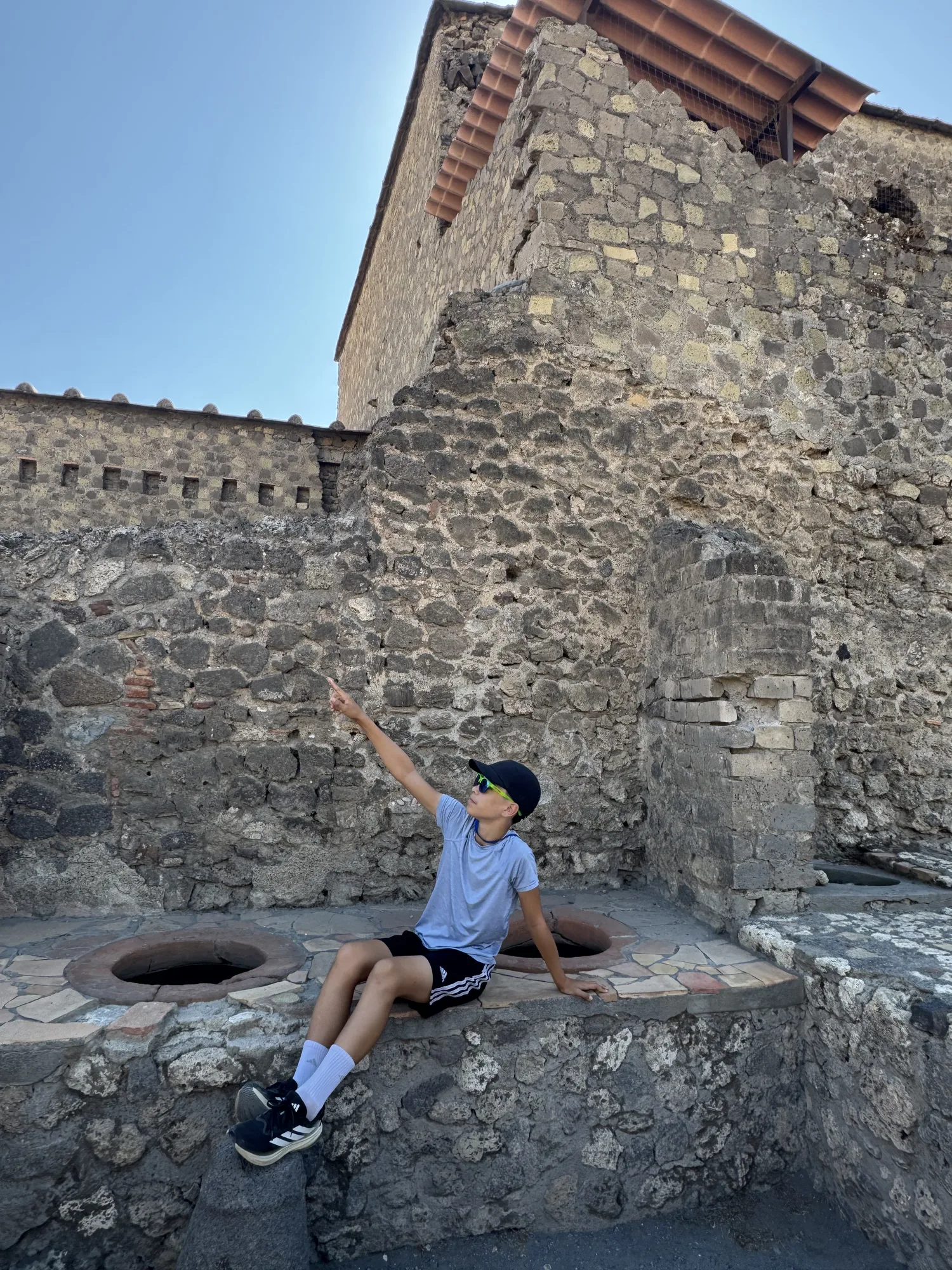
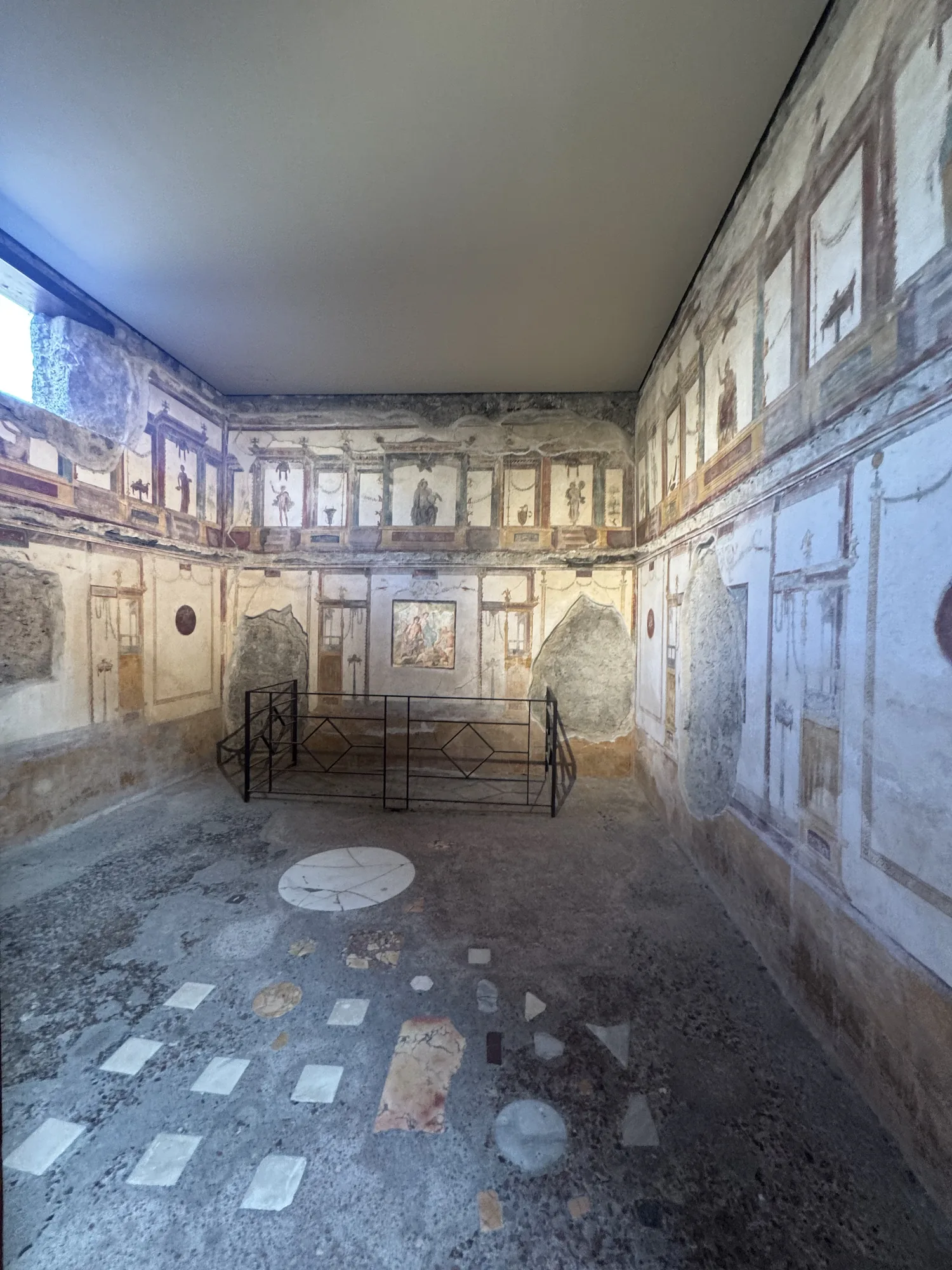
The story begins in the ancient city of Pompeii. During a summer visit, Miro observed the delicate work of archaeologists. He learned a critical lesson: excavation is a double-edged sword. To uncover history, archaeologists often risk destroying the very context and artifacts they seek to preserve. This sparked a question: how can we explore what lies beneath the surface without causing harm?
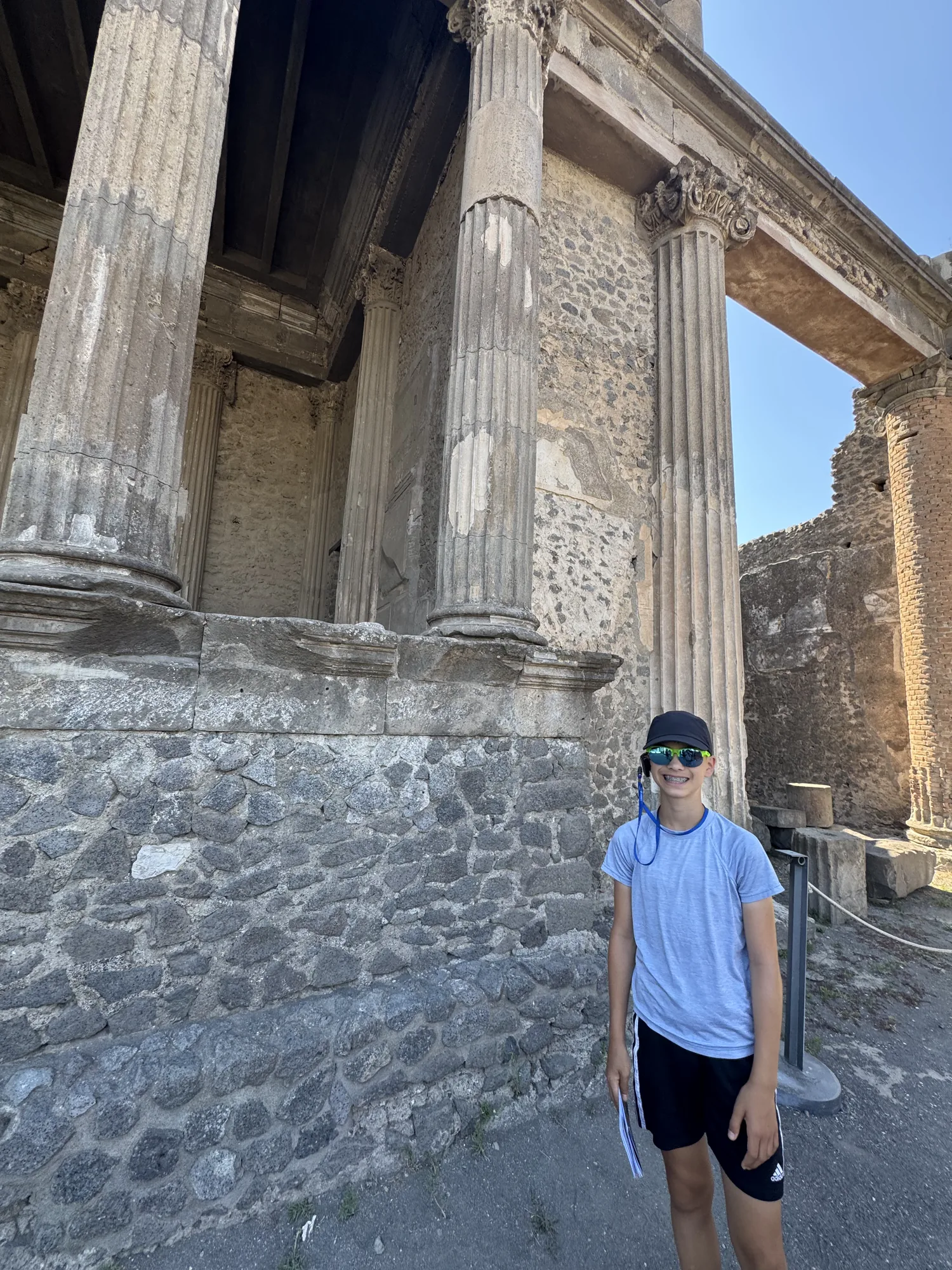
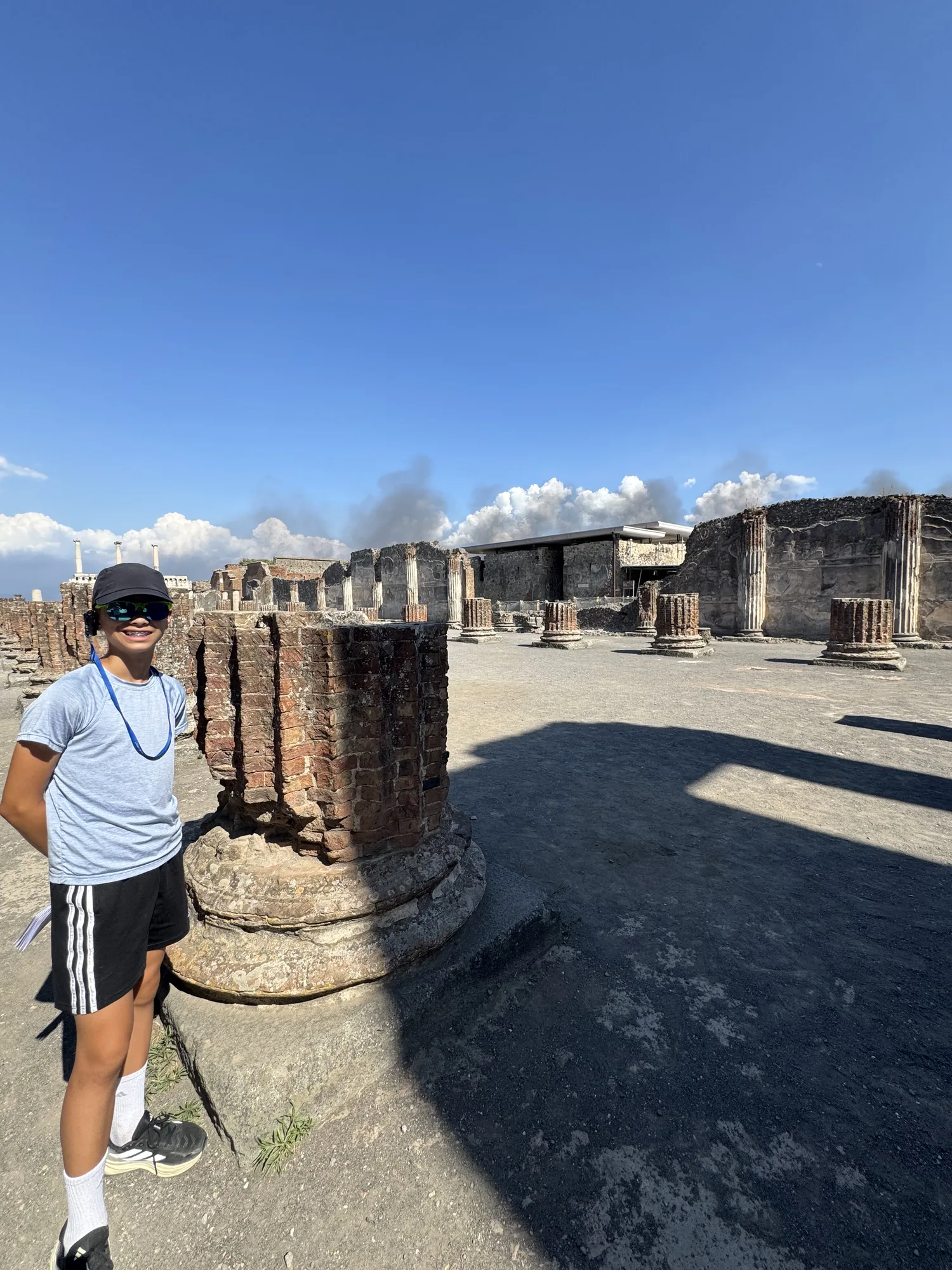
PompeiiPompeiiPompeiiPompeii
02 · The Vision

Engineering a solution

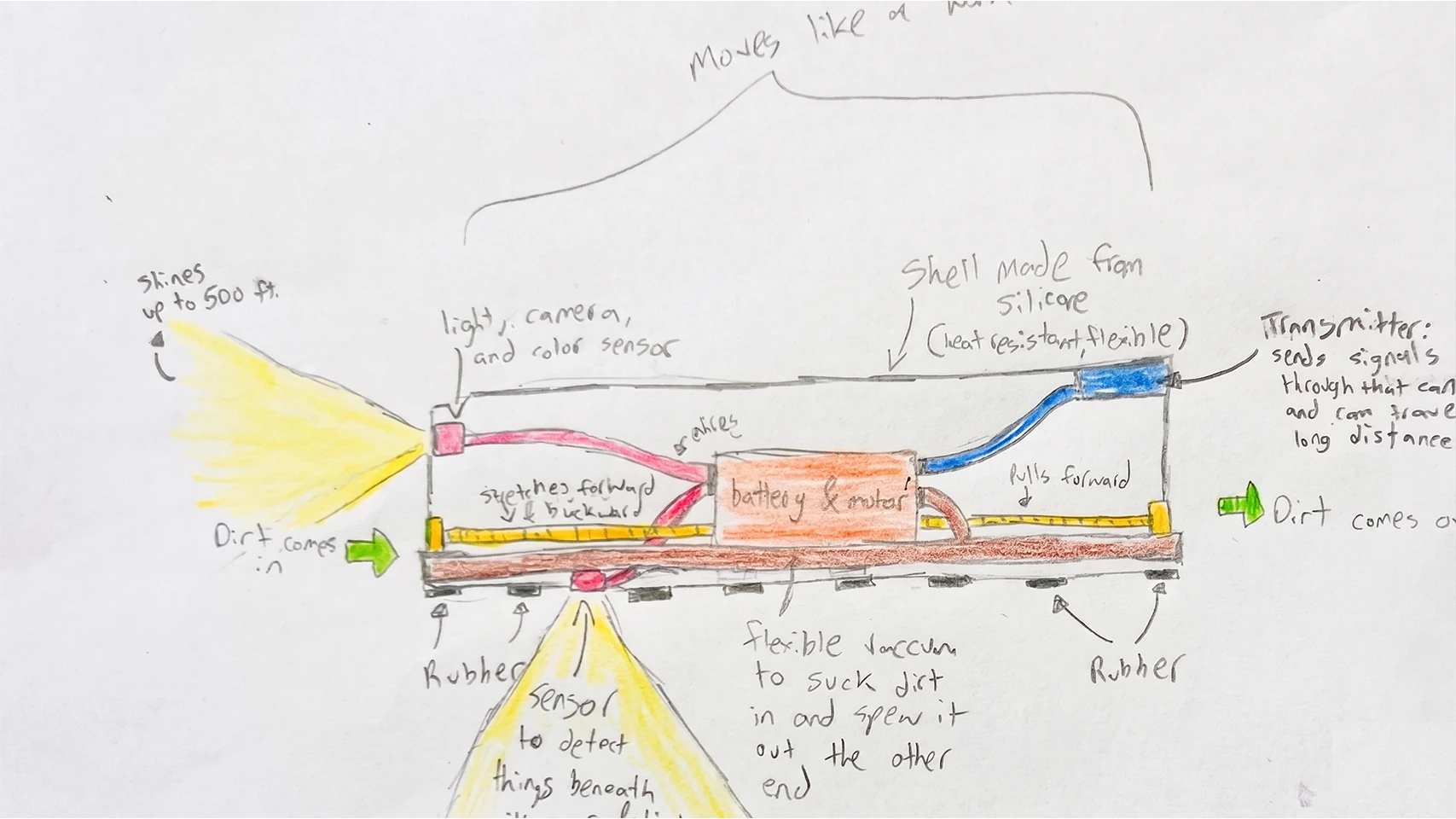
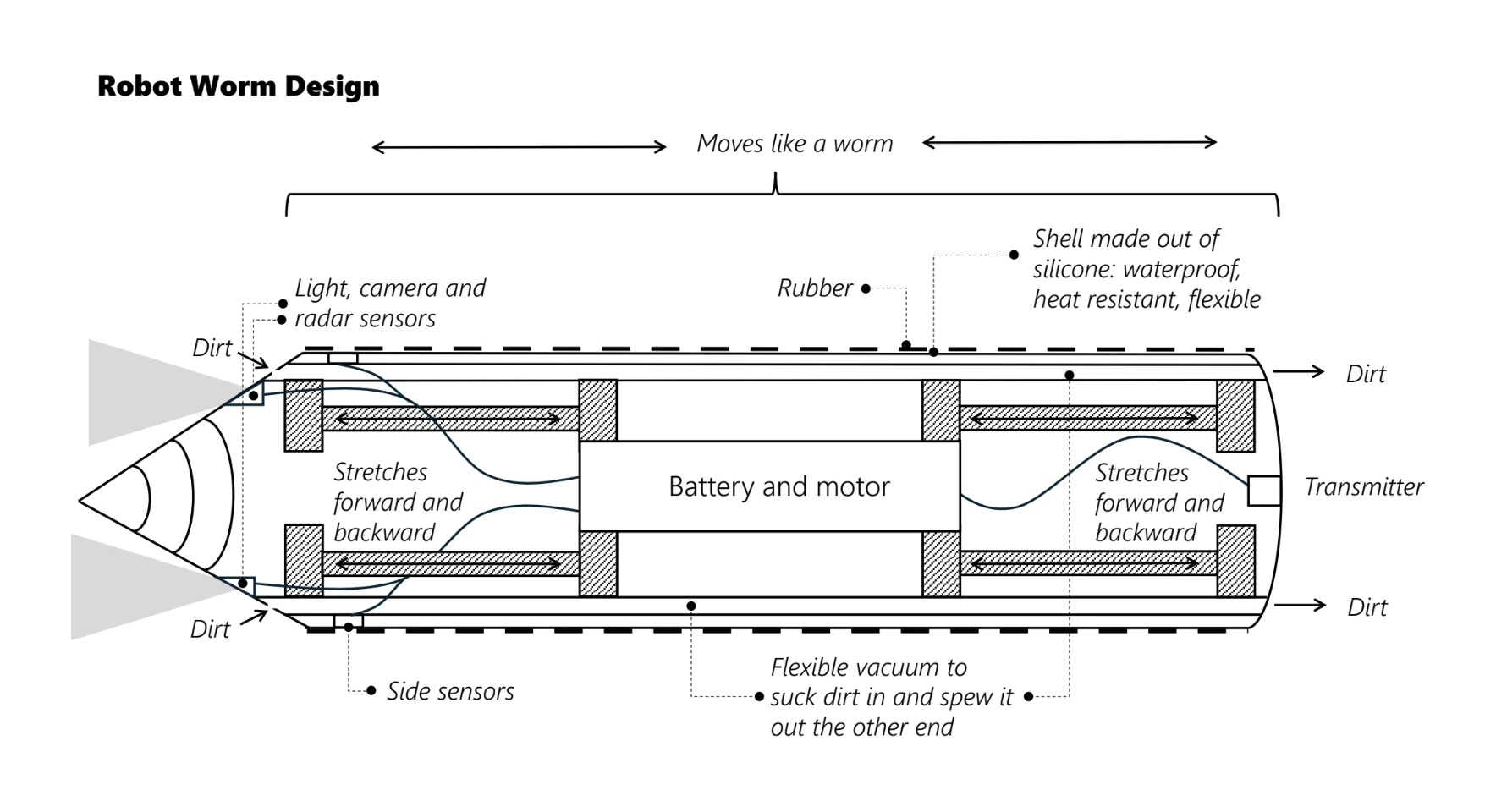
Miro brought this archaeological dilemma back to his LEGO robotics team. The team transitioned from identifying a problem to brainstorming technical solutions. Inspired by biology, Jordon sketched the first concept: a worm-like robot. This design aimed to "crawl" through the earth, using its unique shape to minimize the impact on surrounding structures and artifacts.

Worm robot concept sketchWorm robot schematic
03 · Reality Check
Scouting America Archaeology merit badge

At the Harvard Peabody Archaeology Museum

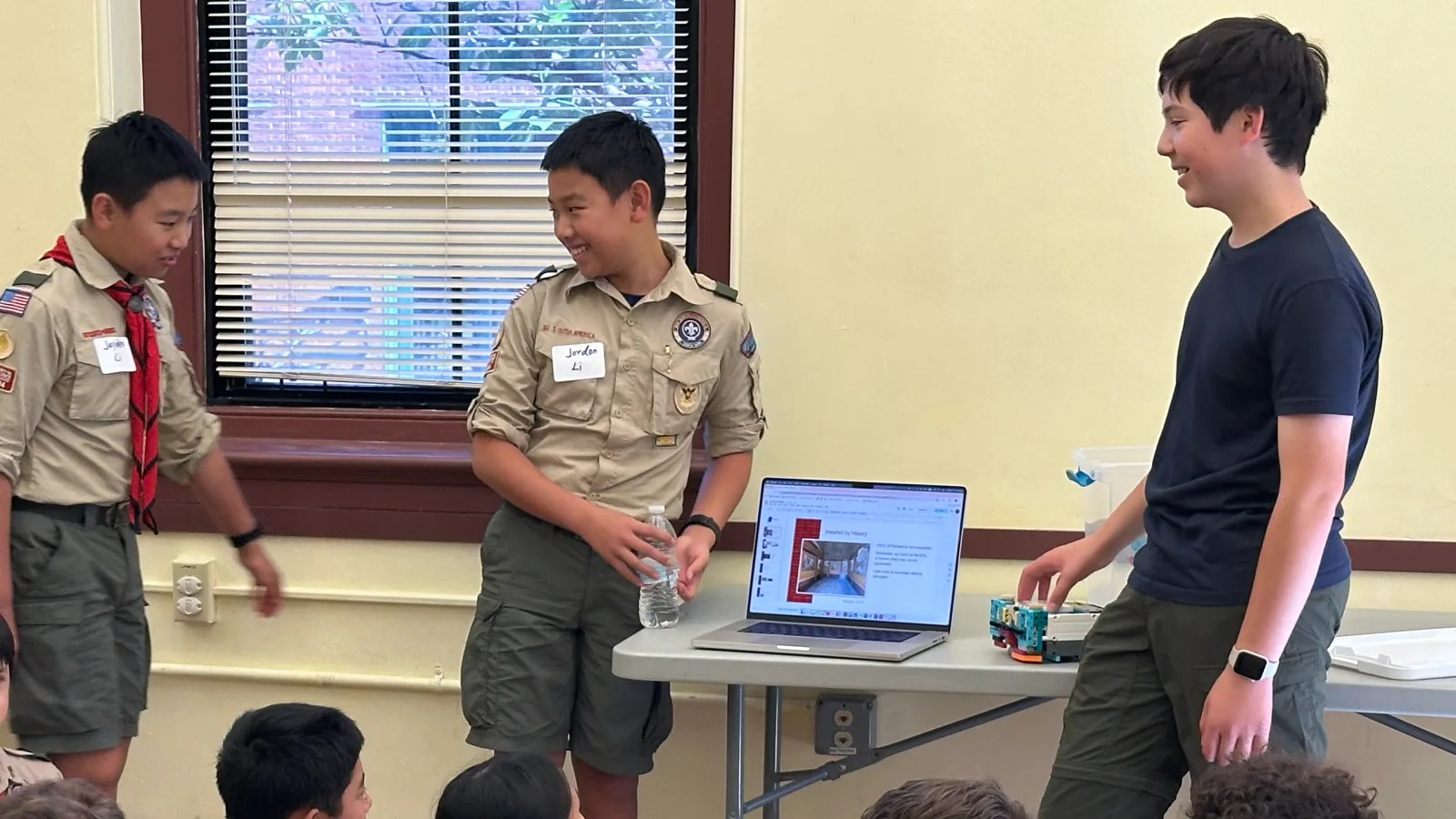
On World Archaeology Day, the team took their Innovation Project to the Harvard Peabody Archaeology Museum. Presenting to peers working on their archaeology merit badge, Quinlan and Jordon faced their first major hurdle. While the scouts were impressed, they asked a fundamental question: “How will your robot distinguish between common soil and a priceless artifact?” This feedback highlighted the need for sophisticated detection systems. Good news: Quinlan and Jordon both went on to earn the Archaeology merit badge themselves.

The team presenting their Innovation Project to scouts at the Harvard Archaeology Museum
04 · Mentorship
Robotics and AI Institute logo

Experts and a strategic pivot

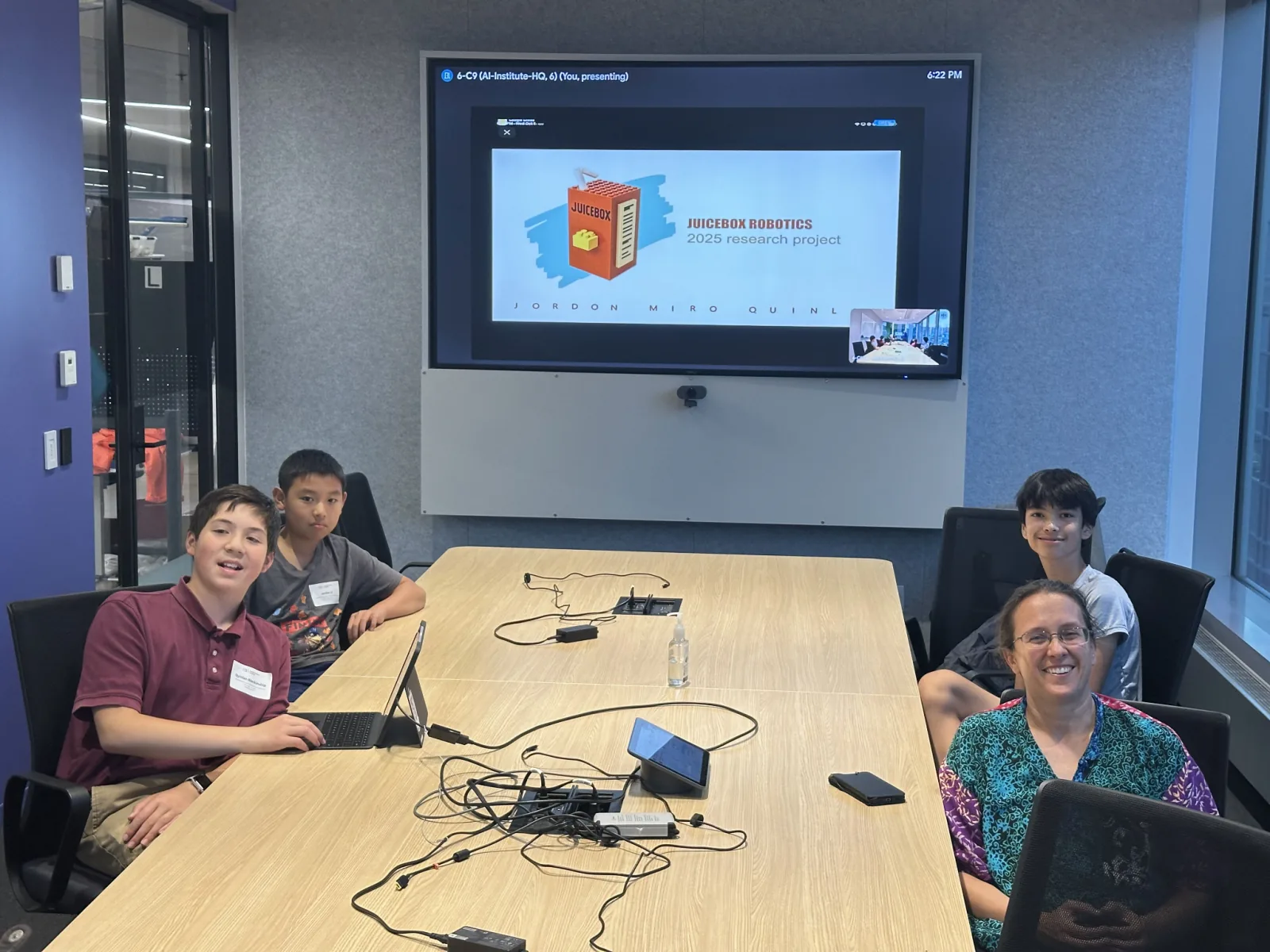
To address the feedback, the team sought professional guidance from leaders in the field at the Robotics and AI Institute.

  • Dr. Stephanie Tellex — Brown University

    Pushed the team to focus on one problem at a time instead of trying to do everything at once. Her advice reframed the project around a single, tractable goal: focus on the sensors so you can get good data for archaeological discovery.

  • Dr. Howie Choset — Carnegie Mellon University

    Building on Dr. Tellex's framing, he suggested setting aside worm-style locomotion for the first iteration and using a wheeled robot — letting the team concentrate on floor scanning rather than mechanical movement.

The team visiting the Robotics and AI Institute
05 · Prototype

The LEGO scanner

The team got to work using spare LEGO parts. They built a prototype designed to scan mosaic patterns similar to those Miro saw in Pompeii. To prove the concept, they constructed a simulated "styrofoam cave." The robot was sent into the dark environment, where it successfully scanned the floor and relayed the data back — a successful proof of concept.

06 · Recognition

Massachusetts State Champions and competing in Greece

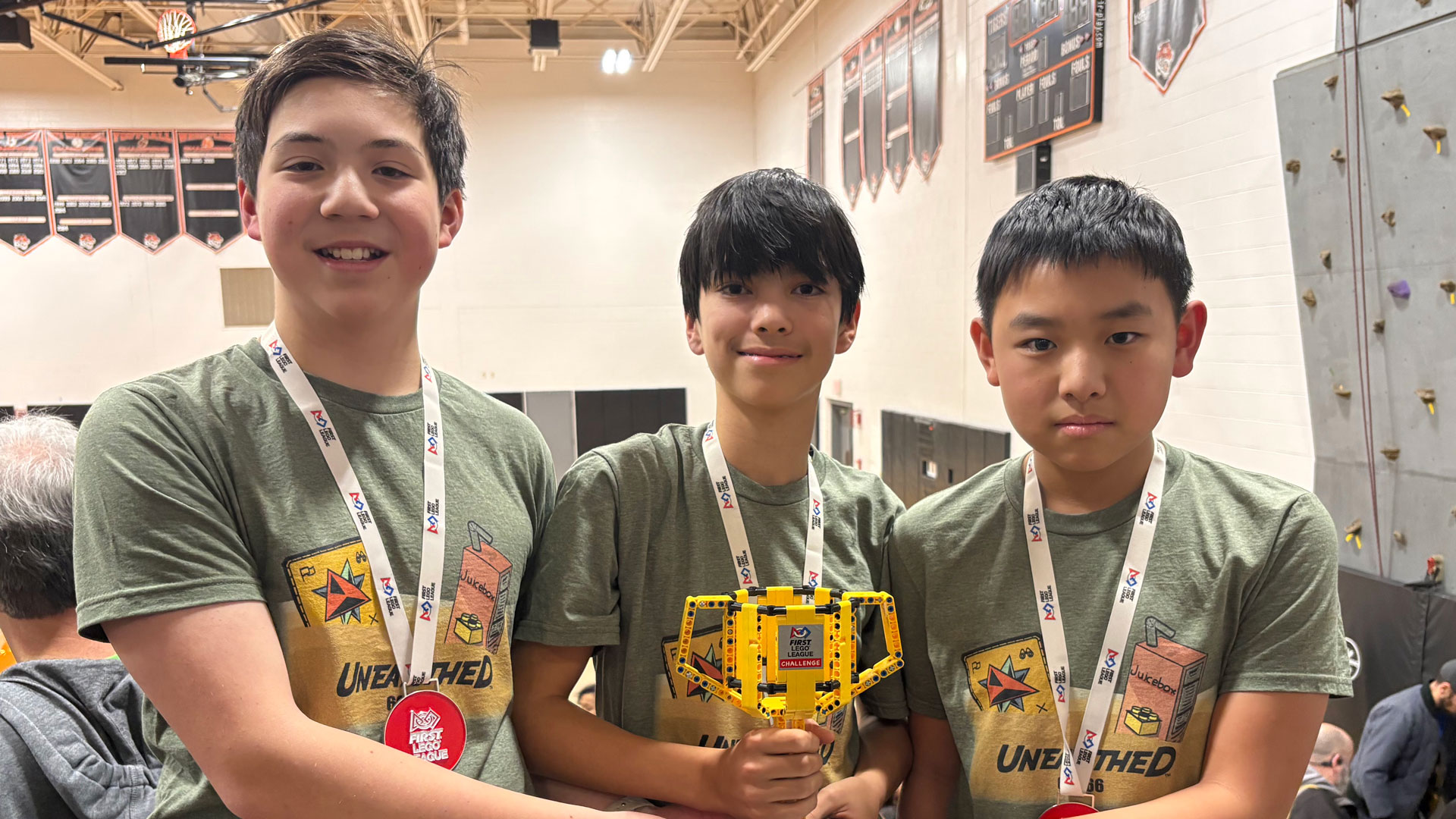
The team’s Innovation Project and successful prototype led to significant recognition: a 2nd-place at the Red Hawk Rumble Qualifier, a 3rd-place at the 2025 MA East Championship, and an invitation to the FIRST LEGO World Championship in Greece.

Champion's Award — 2025 MA East Championship

Champion's Award

2025 MA East Championship

07 · Scaling Up
ARTAIC logo

ARTAIC and industrial robotics

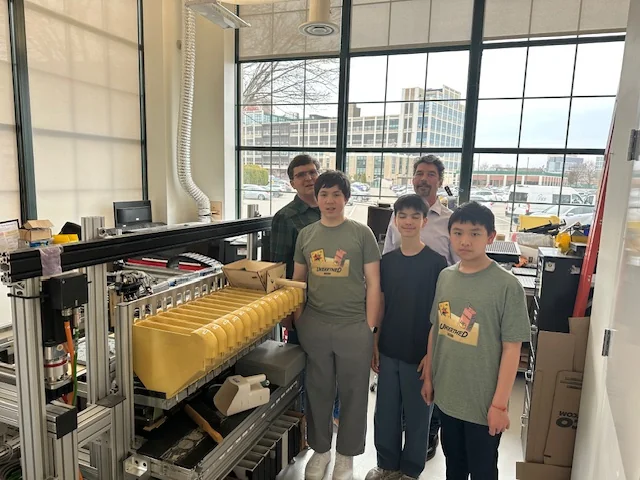
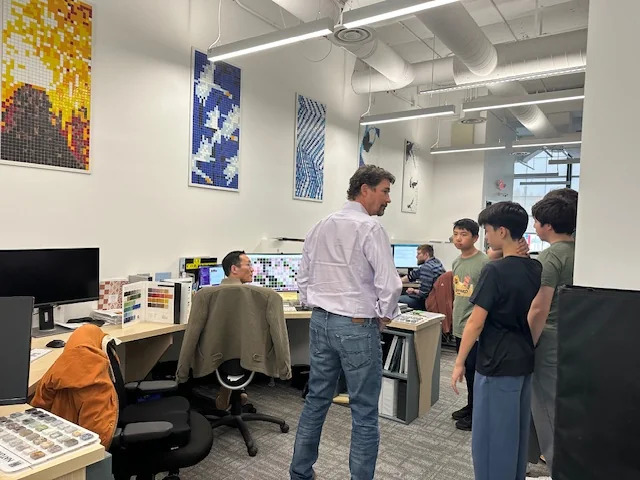
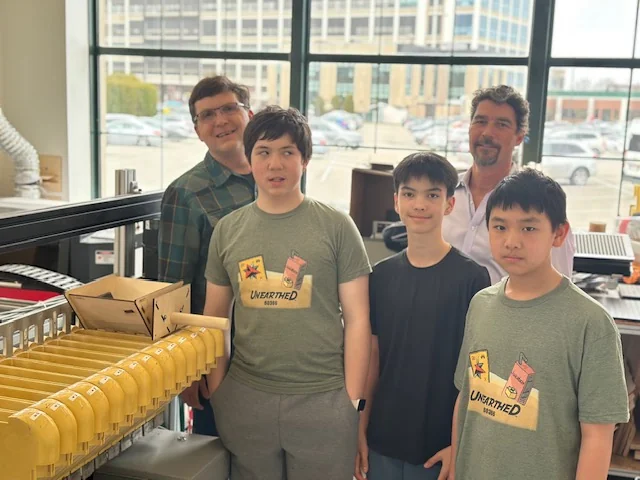
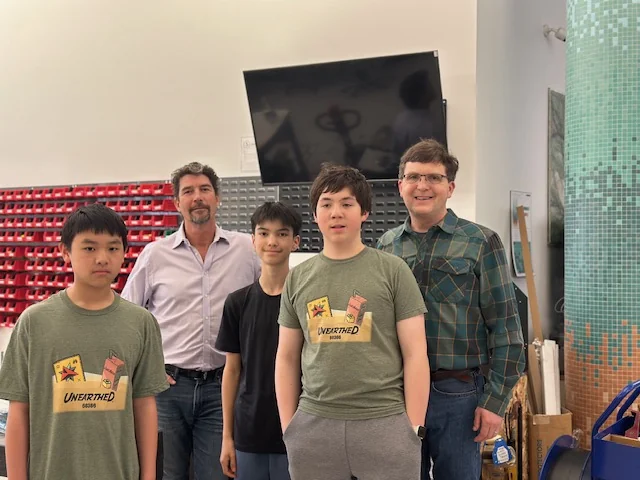
Wanting to push the boundaries of their Innovation Project, the team reached out to ARTAIC in Boston. ARTAIC uses high-end industrial robots to create custom tile mosaics. This visit introduced the team to the fusion of art, technology, and business on a commercial scale. It also led to their next challenge: a suggestion to scan a real-world tile mosaic floor at MIT. ARTAIC shared their appreciation of the visit on Instagram and LinkedIn.

Scanning the MIT tile mosaic floorScanning the MIT tile mosaic floorScanning the MIT tile mosaic floorScanning the MIT tile mosaic floor
08 · Mission

The ARTAIC MIT survey

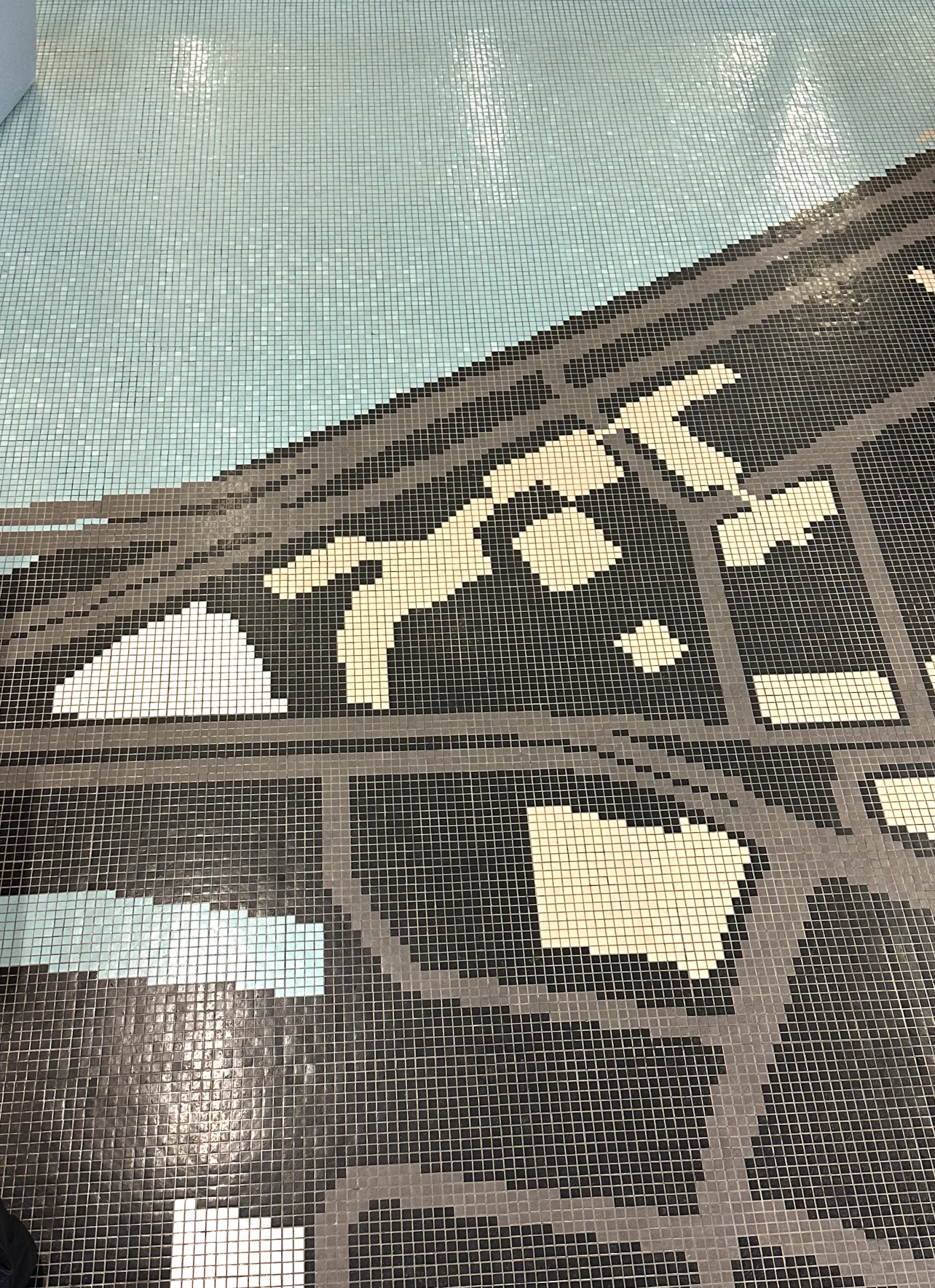
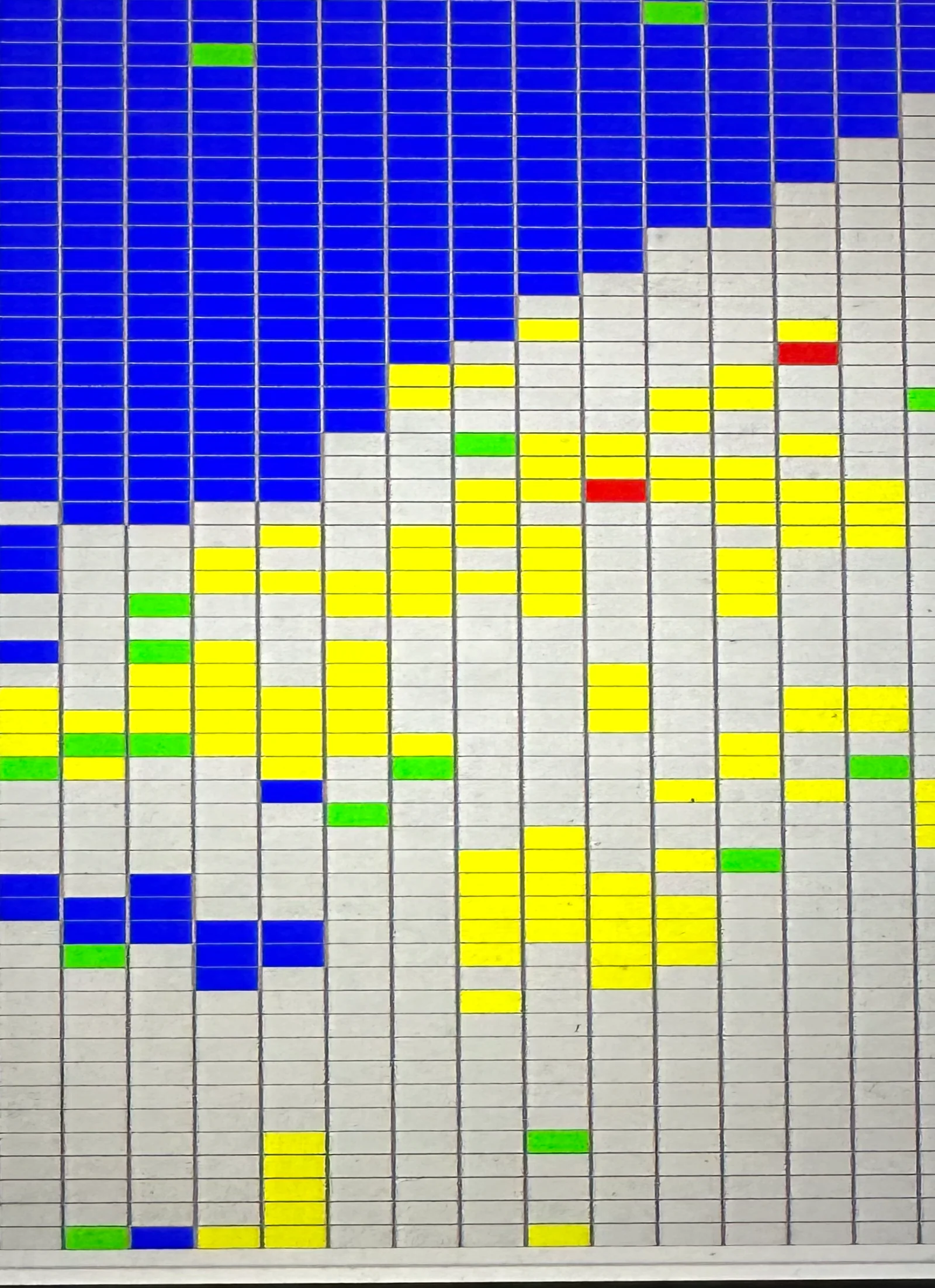
The culmination of the journey took place over four intensive visits to MIT. The team went through a professional engineering cycle: surveying and measuring the site, modifying hardware and software based on field data, and executing the final automated scan of a real-world tile mosaic floor. The project proved that an Innovation Project — driven by curiosity and persistence — can lead to real-world results. The source code for the prototype is open on GitHub.

Tile mosaic floor the robot scans
Low-resolution color scan captured by the LEGO robot